05-HeroSimpleText
05-HeroSimpleText
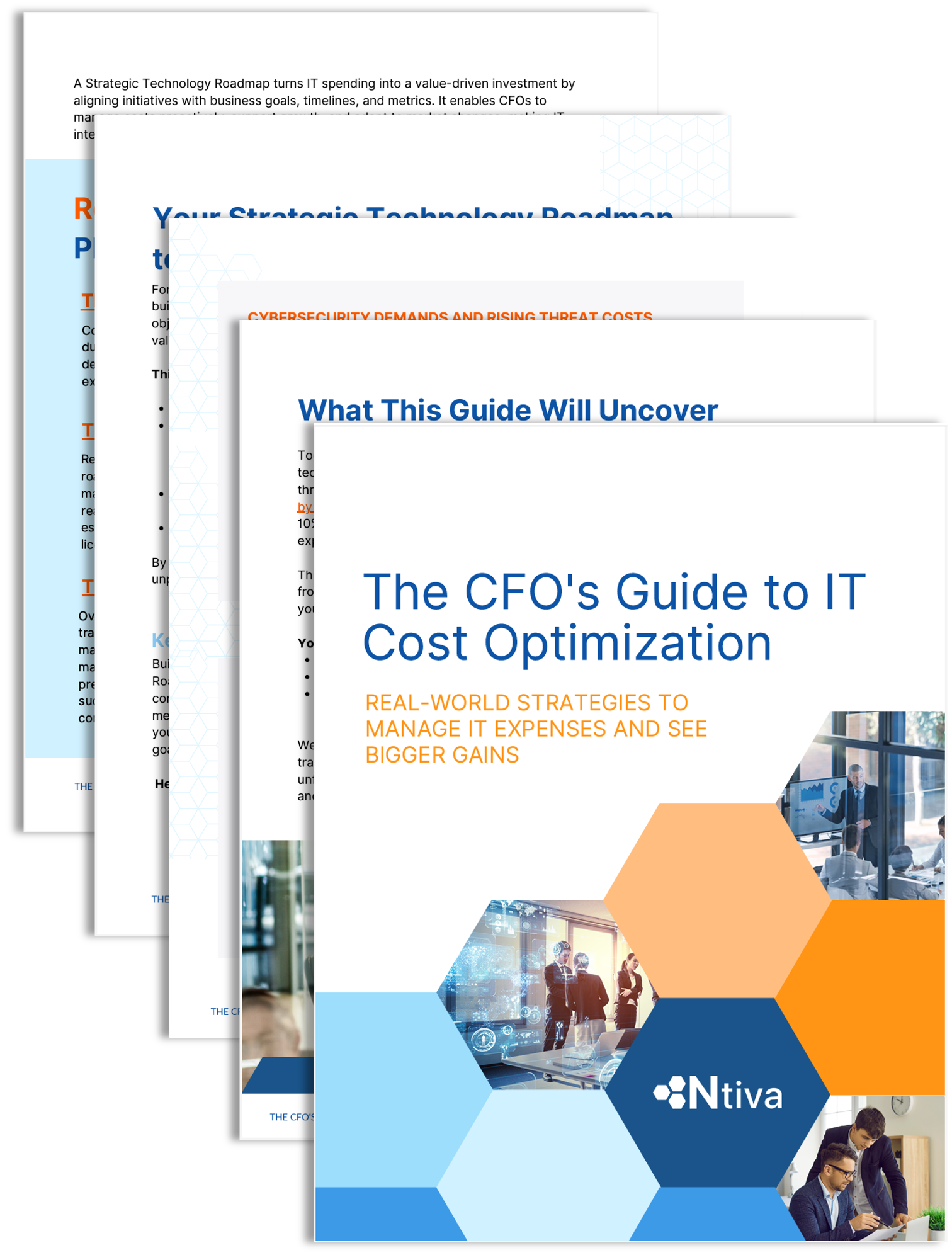
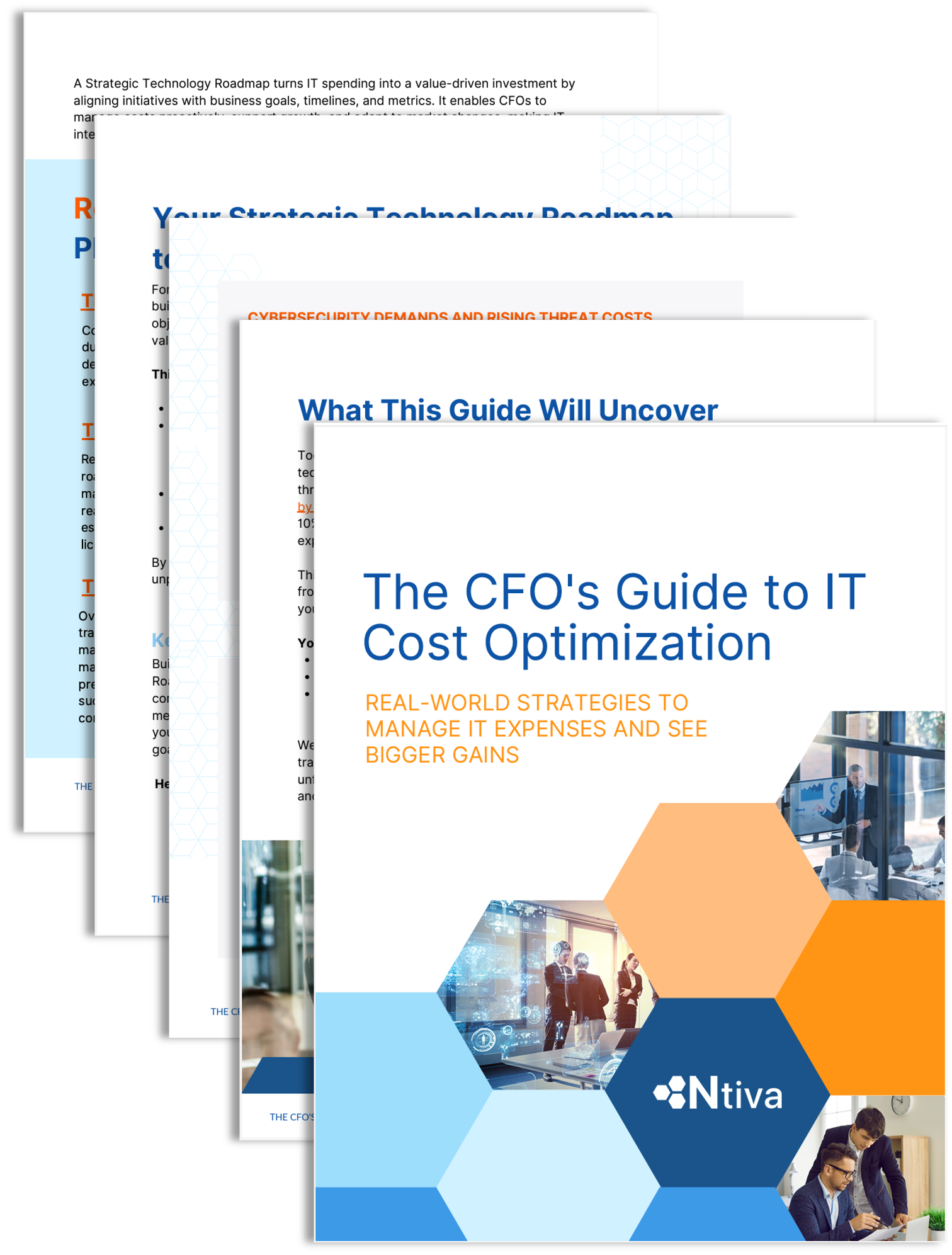
The CFO's Guide to IT Cost Optimization
Real-World Strategies to Manage IT Expenses and See Bigger Gains
18-ContentGroup
What This Guide Will Uncover
Today’s CFOs face a challenging balancing act in managing IT spending amid rapid technological advancements, scalability demands, and growing cybersecurity threats. According to Gartner,global IT spending is projected to reach $4.7 trillion by 2025, with businesses reporting an average annual IT budget growth rate of 7- 10%. These rising costs are largely driven by the need for digital transformation, expanding data storage, and the ongoing fight against sophisticated cyber threats.
This guide will walk you through actionable strategies to transform IT spending from a source of budgetary uncertainty to a well-managed, predictable part of your financial plan.
You’ll discover how to:
- Identify common drivers of unpredictable IT costs.
- Shift from reactive to proactive budget management.
- Implement strategic IT planning to align technology investments with broader business goals.
We’ll also explore the role of financial management tools in improving budget transparency and provide practical steps for establishing a contingency plan for unforeseen expenses. With the right approach, you can tame the IT budget beast and ensure your organization’s technology investments deliver maximum value.
16-TableOfContents
00-Media

18-ContentGroup
Understanding Common IT Cost Drivers
Effectively managing IT costs starts with understanding the main factors that drive these expenses. By identifying these cost drivers, CFOs can gain greater control and make informed decisions that align with their organization’s financial objectives.
Rapid Technological Changes and Scalability Needs
The rapid pace of technological advancement presents both opportunities and challenges for organizations. As new tools and infrastructure become available, businesses are often compelled to invest in upgrades to stay competitive and meet growing scalability demands. However, these advancements can lead to unforeseen expenses that disrupt even the most well-planned budgets.
To mitigate these costs, consider implementing a strategic technology roadmap that prioritizes necessary upgrades and spreads out expenses over time, making them more manageable.
Cybersecurity Demands and Rising Threat Costs
The cost of data breaches and ransomware attacks has skyrocketed, with the average data breach reaching $4.45 million in 2023, according to IBM. As threats grow more sophisticated, businesses must allocate significant resources to protect their networks, data, and customer information. Investments in firewalls, encryption, and advanced threat detection systems are critical, but they can also be budget-busting if approached reactively.
To control these expenses:
- Shift to a proactive security strategy that includes regular risk assessments
- Focus on employee training
- Lean on managed security services to maximize efficiency and cost effectiveness
Data Management and Cloud Storage Costs
The explosion of data generation has made cloud storage an essential part of modern IT infrastructure. However, managing these costs can be tricky, especially as your data needs grow as much as 30% of cloud budgets can be wasted due to inefficiencies like over provisioning or unused resources.
To keep these costs in check, adopt cloud management best practices, such as:
- Monitoring usage in real-time
- Rightsizing instances, and automating the shutdown of inactive resources
- Consider a data archiving strategy to optimize storage and keep expenses manageable
Unpredictable Software Licensing and Subscriptions
Software-as-a-service (SaaS) models have made advanced tools widely accessible, yet they can introduce unpredictable costs as teams grow or new projects are launched. Licensing fees, often tied to user counts or specific feature tiers, can escalate quickly if not carefully managed.
To keep these expenses under control, consider these software license management best practices:
- Conduct regular license audits to identify underused or unused licenses.
- Negotiate flexible contracts that allow for scaling licenses up or down based on actual needs.
- Consolidate software subscriptions where possible to prevent overlapping or redundant tools.
- These steps can help CFOs avoid unnecessary license fees, optimize software spending, and ensure IT resources are allocated effectively.
Identifying the main drivers behind IT expenses is the first step toward achieving financial control and smarter spending. But understanding why costs arise is only part of the equation. To truly leverage IT spending strategically, CFOs need a proactive approach that aligns technology investments with business goals.
This is where a Strategic Technology Roadmap becomes essential. With a well-planned roadmap, CFOs can transform unpredictable expenses into structured, manageable budget items.
Let’s dive into how to build this roadmap to optimize your IT budget.
00-Media

18-ContentGroup
Your Strategic Technology Roadmap to Smarter IT Budgeting
For CFOs, controlling IT costs isn’t just about managing immediate expenses—it’s about building a long-term strategy that aligns technology investments with business objectives. A Strategic Technology Roadmap helps financial leaders create predictable, value-driven budgets that support both stability and growth.
This roadmap provides:
- Immediate cost-saving opportunities to reduce current expenses
- A structured framework for future investments that enhance:
- Scalability
- Security
- Efficiency
- Clear goals, timelines, and measurable metrics to ensure every IT dollar is purposefully allocated
- Alignment with the company’s strategic vision to maximize the impact of IT spending
By following a well-defined roadmap, CFOs can manage IT costs proactively, turning unpredictable spending into a strategic advantage.
Key Elements of a Strategic Technology Roadmap
Building an effective Strategic Technology Roadmap starts with understanding its core components. From setting clear objectives to measuring success, each element ensures your IT initiatives are aligned with business goals and deliver measurable value.
Here's how to get started.
Set Clear Goals for Success
Start with Business Objectives: Identify overarching goals such as cost reduction, scalability, enhanced security, or a blend of these priorities.
Align Technology Goals: Support business objectives with specific initiatives like:
- Migrating to cloud services
- Implementing automation
- Upgrading cybersecurity
Ensure Alignment: Clear, well-defined goals guide every aspect of the roadmap, ensuring alignment with broader financial and operational aims.
Break Down Initiatives By Timeline
Divide initiatives into manageable phases based on complexity and resource requirements:
Short-Term (0–6 months): Quick wins for immediate cost savings or efficiency, such as:
- Renegotiating vendor contracts
- Conducting an IT audit
- Rightsizing cloud storage
Mid-Term (6–18 months): Resource-intensive projects, including:
- Transitioning on-premises infrastructure to the cloud
- Introducing IT automation tools
- Consolidating software subscriptions
Long-Term (18+ months): High-impact, strategic investments, such as:
Enterprise-wide cybersecurity upgrades
Implementing new ERP systems
Deploying AI-driven financial forecasting tools
See the Big Picture
Visualize Progress: Use a timeline or Gantt chart to map out:
- Start and completion dates
- Key milestones
- Dependencies
Prevent Conflicts: Highlight potential resource conflicts to prioritize effectively.
Stay on Track: Use clear milestones to monitor progress and ensure budgets are maintained.
Plan Budgets with Confidence
Detailed Cost Estimates: Break down costs into categories, such as:
- Hardware
- Software
- Services
- Personnel
Align Resources: Allocate resources to ensure smooth implementation at every phase.
Highlight Savings: Include expected savings alongside costs for each initiative to demonstrate ROI.
Measure What Matters
Set Measurable Goals: Define metrics to track progress and demonstrate value, such as:
- Specific cost savings
- Reduced IT support response times
- Lower data breach incidents
Track Success: Monitor KPIs like ROI, system uptime, and user satisfaction.
Enable Course Corrections: Use metrics to refine and adjust initiatives as needed.
Minimize Disruptions, Maximize Results
Identify Risks: Assess potential challenges like:
- Downtime during migrations
- Compliance hurdles
Plan Ahead: Develop contingency measures, such as:
- Emergency IT budgets
- Backup systems
Minimize Impact: Proactive risk management ensures seamless project execution without major disruptions.
Review and Adjust
Regular review checkpoints (e.g., quarterly or biannually) provide opportunities to evaluate progress and make adjustments. During these checkpoints, CFOs and IT leaders can reassess timelines, reallocate resources, and update the roadmap based on changing business needs or new technological advancements.
A Strategic Technology Roadmap turns IT spending into a value-driven investment by aligning initiatives with business goals, timelines, and metrics. It enables CFOs to manage costs proactively, support growth, and adapt to market changes, making IT integral to long-term success.
00-Media

18-ContentGroup
Real-World Success: How Proactive Planning Transforms IT Spending
The Challenge
Consider a mid-sized manufacturing company that faced frequent, unexpected IT costs due to outdated systems, rapid employee onboarding, and increased production demands. Their reactive approach to IT management led to high, unpredictable expenses that strained their budget and disrupted operational efficiency.
The Solution
Realizing the need for change, the company implemented a strategic technology roadmap as part of a proactive budget management strategy. This included lifecycle management, regular tech audits, and predictive maintenance. By transitioning from a reactive to a proactive approach, they were able to identify potential issues before they escalated, replace outdated hardware on a planned schedule, and optimize software licensing to avoid unnecessary costs.
The Impact
Over the course of a year, the company reduced unplanned IT expenses by 30%, which translated into $250,000 in savings through efficient resource allocation and planned maintenance. They experienced a significant reduction in downtime due to scheduled maintenance, which led to improved productivity across the organization. With a predictable IT budget, they were able to allocate resources toward strategic IT projects, such as upgrading their ERP system, supporting business growth and improving their competitive advantage.
00-Media

18-ContentGroup
Cost Optimization: Best Practices for CFOs
To manage IT budgets effectively, CFOs must employ strategic cost optimization practices. These practices focus on maximizing the efficiency of IT investments, reducing waste, and ensuring that every dollar spent contributes to business growth.
1. Drive Cost Efficiency in Cloud Services
Cloud services offer flexibility and scalability, but inefficient management often results in wasted spending. To optimize cloud costs:
Implement Rightsizing: Regularly review and adjust cloud resources to match actual usage. Track underused instances and reduce over-provisioned resources to align spending with your needs.
Automate Shutdowns for Inactive Resources: Set up automated schedules to shut down non-essential cloud instances during off-hours or when idle. This prevents you from paying for resources that aren’t being used.
Use Cost Monitoring Tools: Leverage tools like AWS Cost Explorer or Azure Cost Management to identify usage patterns and areas of waste. Regular cost monitoring enables immediate adjustments to stay within budget.
Negotiate Reserved Instances or Long-Term Contracts: For frequently used services, consider reserved instances or long-term contracts. These options typically offer lower rates than on-demand pricing, leading to substantial savings.
Take Action: Schedule a quarterly cloud usage audit to identify potential cost-saving opportunities and adjust as necessary.
2. Invest in Predictive Maintenance and License Optimization
Unplanned maintenance costs and underused licenses can drain IT budgets. Reduce these expenses by:
Using Predictive Maintenance: Adopt predictive maintenance tools to monitor asset performance and address issues before they lead to costly breakdowns. Data-driven maintenance reduces emergency repair costs and improves asset longevity.
Conduct Regular System Checkups: Schedule routine inspections for IT assets to identify potential failures early. Preventive maintenance can lower maintenance costs by 10-40% and reduce downtime by 30-50%, saving on emergency repairs.
Optimize Software Licensing: Audit your software subscriptions regularly to pinpoint unused or underused licenses. Identify opportunities to downgrade, consolidate, or eliminate licenses, ensuring you only pay for what’s truly needed.
Take Action: Schedule monthly license audits and set up reminders for periodic maintenance checkups to keep expenses low and systems running smoothly.
3. Manage and Negotiate Vendor Contracts Effectively
Vendor contracts are often a significant IT budget line item, and unchecked fees or rate hikes can impact your bottom line. Here’s how to manage vendor contracts to your advantage:
Benchmark Contract Terms: Compare your vendor agreements with industry standards to ensure competitive pricing. Use benchmarks to negotiate better rates or request adjustments.
Seek Volume Discounts and Bundling Opportunities: Consolidate services with single vendors wherever possible. Bundling services from a single provider can offer cost savings and simplify vendor management.
Negotiate Flexible Terms: Secure contracts that allow for scalability, so you can adjust service levels based on your organization’s changing needs. Flexibility prevents you from overpaying during periods of lower demand.
Take Action: Review vendor contracts annually to evaluate costeffectiveness and renegotiate terms as needed to reflect current usage and business requirements.
By following these steps, CFOs can transform IT spending from a drain on resources to a strategic tool for supporting growth. Regularly monitoring and adjusting these practices ensures ongoing cost efficiency and the ability to invest in future-forward initiatives.
00-Media

18-ContentGroup
Building a Contingency Plan for Unexpected IT Costs
Even with the best planning, IT surprises are inevitable. Unanticipated expenses like hardware failures or cybersecurity emergencies can strain budgets and disrupt operations. To safeguard financial stability and ensure business continuity, CFOs need a proactive approach. Here are five key strategies to build a robust contingency plan.
1. Establish an IT Emergency Fund
Allocate 5-10% of the IT budget for emergencies to create a financial buffer for unexpected expenses. This reserve can cover costs such as urgent hardware replacements or critical security upgrades.
2. Adopt Predictive Maintenance and IT Audits
Use predictive analytics to forecast maintenance needs and conduct regular IT audits to uncover inefficiencies. These practices can prevent costly surprises while optimizing the use of existing resources.
3. Negotiate Flexible Vendor Contracts
Secure vendor agreements with scalable services and adaptable terms. This flexibility allows for adjustments to service levels or fees as needs change, helping manage unforeseen costs effectively.
4. Develop a Cybersecurity Incident Response Plan
Create a pre-funded, actionable plan for managing data breaches or cyberattacks to minimize the financial impact of security incidents.
5. Use Financial Forecasting Tools for IT Spending
Leverage tools with predictive modeling to detect spending patterns and anticipate future needs, ensuring the IT budget can adapt to changing tech requirements and market conditions.
Your Next Steps to a Smarter, More Efficient IT Budget
Managing IT expenses doesn’t have to be overwhelming. By identifying cost drivers, adopting proactive budgeting, and leveraging strategic planning, CFOs can transform IT spending into a controlled, value-driven asset.
This guide outlined strategies to build a resilient IT budget—aligning investments with business goals, optimizing resources, and maintaining contingency funds. Proactive cybersecurity measures and financial tools enhance accuracy and control.
Effective IT cost management requires ongoing collaboration among CFOs, IT leaders, and stakeholders. With the right approach, CFOs can master IT budgets, make smarter decisions, and foster innovation in today’s dynamic digital landscape.
Empower Your IT Budget with Expert Strategy
Are you ready to stop reactive spending and start making your IT budget work for you? Take the next step in optimizing costs and driving growth with a customized strategy from the experts at Ntiva.
Why Partner with Ntiva?
Our team specializes in building IT roadmaps that align seamlessly with your business goals. With Ntiva’s dedicated strategy experts, you’ll gain access to:
- Tailored solutions designed to reduce waste and maximize every dollar
- Advanced tools and industry insights that reveal hidden savings
- Ongoing support to ensure IT investments continually deliver high-impact value
Don’t let IT costs hold your business back. Reach out to Ntiva today to start transforming your IT budget into a powerful, growth-oriented asset. Let’s work together to unlock the full potential of your technology investments and secure a strong financial future.
Download a PDF version of this guide by filling out the form
10-Form